Undergrowth Removal in Atlanta, GA
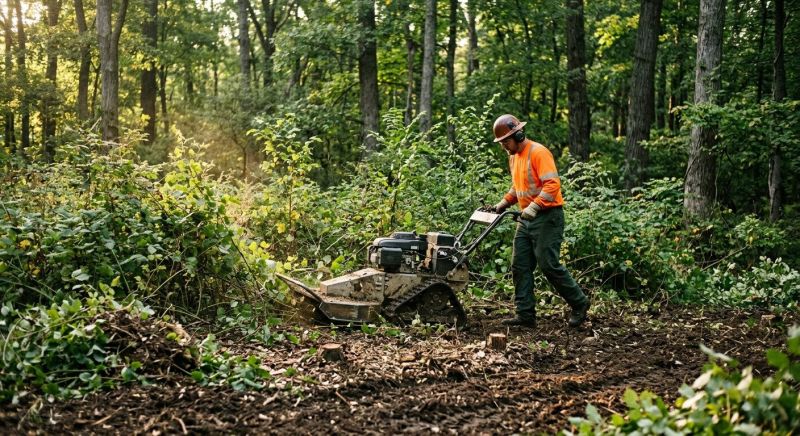
Undergrowth removal services focus on clearing dense, overgrown vegetation such as shrubs, brush, weeds, and small trees that can accumulate on residential properties. This service is commonly requested for projects like preparing land for landscaping, creating clear pathways, or restoring the appearance of overgrown yards. Property owners often seek information about the extent of overgrowth that can be managed, the types of plants that can be safely removed, and the impact on the landscape. Understanding the scope of work, including whether roots or stumps need to be addressed, helps homeowners determine if this service is suitable for their needs.
Before requesting undergrowth removal, property owners should consider the size of the area, the density of the vegetation, and any specific goals for the space, such as gardening or property maintenance. It’s helpful to clarify whether the project involves removal only or if additional services like hauling away debris or stump grinding are desired. Knowing what to expect regarding the process, potential impact on existing landscaping, and any restrictions related to local regulations can assist homeowners in planning and ensuring the project aligns with their property management goals.
Many property owners in Atlanta, GA look into Undergrowth Removal for repairs, replacements, upgrades, and appearance-related improvements.
Clearance For Landscaping
Removing undergrowth helps create space for new planting and landscape design.
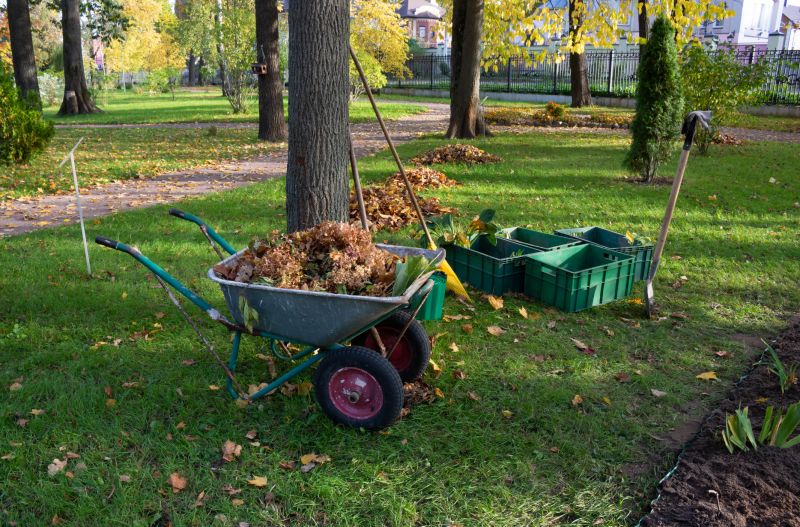
Property Safety And Maintenance
Undergrowth removal reduces fire hazards and prevents pest infestations around homes.
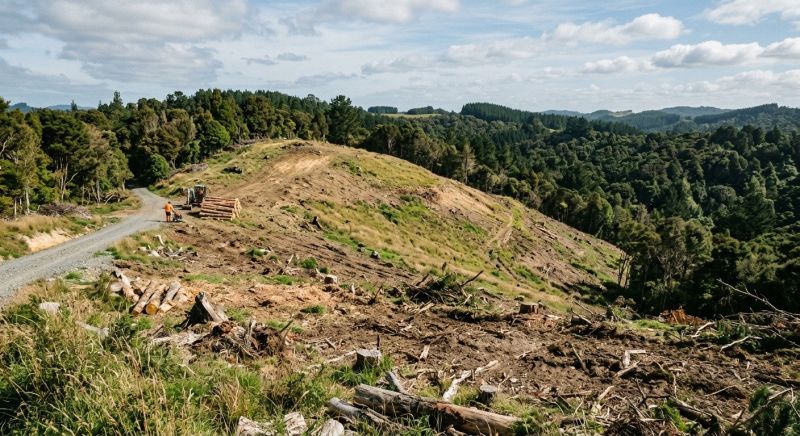
Enhancing Curb Appeal
Removing overgrown plants improves the appearance and value of residential and commercial properties in atlanta.
Undergrowth Removal in Atlanta, GA
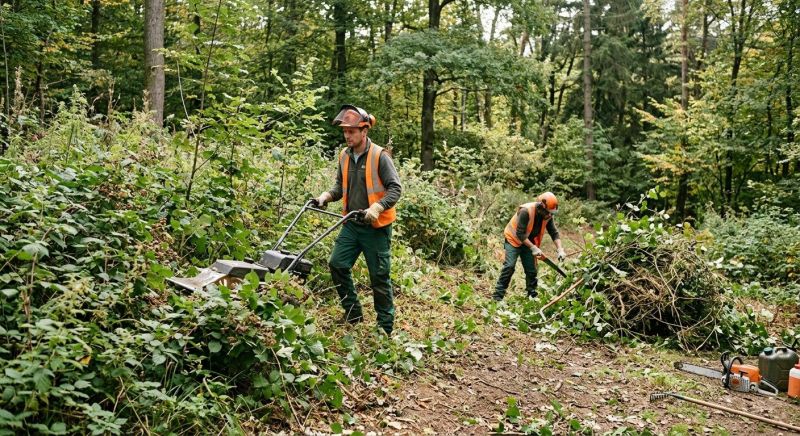
Undergrowth removal services focus on clearing dense, overgrown vegetation such as shrubs, brush, weeds, and small trees that can accumulate on residential properties. This service is commonly requested for projects like preparing land for landscaping, creating clear pathways, or restoring the appearance of overgrown yards. Property owners often seek information about the extent of overgrowth that can be managed, the types of plants that can be safely removed, and the impact on the landscape. Understanding the scope of work, including whether roots or stumps need to be addressed, helps homeowners determine if this service is suitable for their needs.
Before requesting undergrowth removal, property owners should consider the size of the area, the density of the vegetation, and any specific goals for the space, such as gardening or property maintenance. It’s helpful to clarify whether the project involves removal only or if additional services like hauling away debris or stump grinding are desired. Knowing what to expect regarding the process, potential impact on existing landscaping, and any restrictions related to local regulations can assist homeowners in planning and ensuring the project aligns with their property management goals.
Many property owners in Atlanta, GA look into Undergrowth Removal for repairs, replacements, upgrades, and appearance-related improvements.
Common Undergrowth Removal Jobs
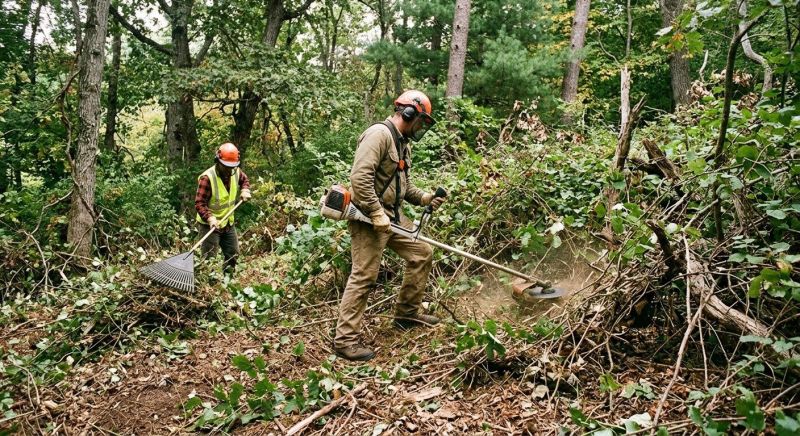
Undergrowth removal - clearing dense vegetation to improve yard visibility and access.
Overgrown shrub trimming - shaping and reducing thick shrubbery for better landscape appearance.
Brush and weed clearing - removing unwanted plants to prevent pest habitats and promote healthy growth.
Pathway and driveway clearance - maintaining clear routes by removing obstructive undergrowth.
Fence line clearing - controlling vegetation along property boundaries for security and aesthetics.
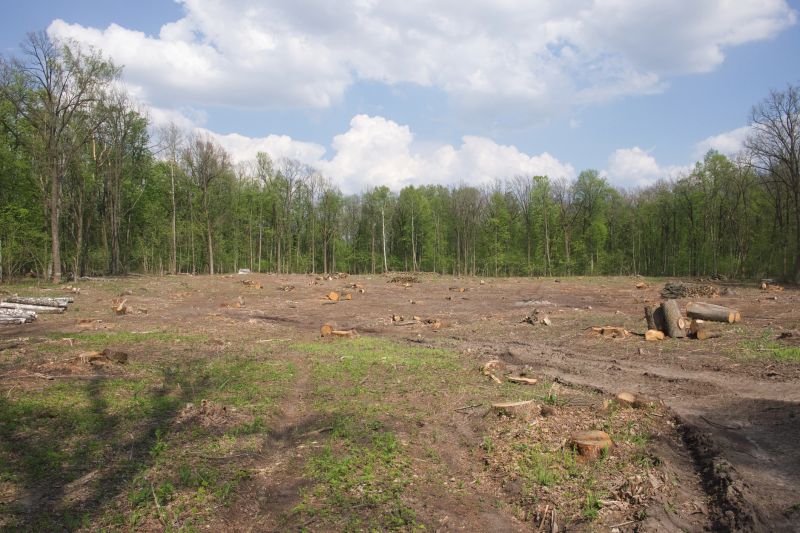
Lot clearing - preparing land for development or landscaping by removing excessive undergrowth.
Undergrowth Removal Questions
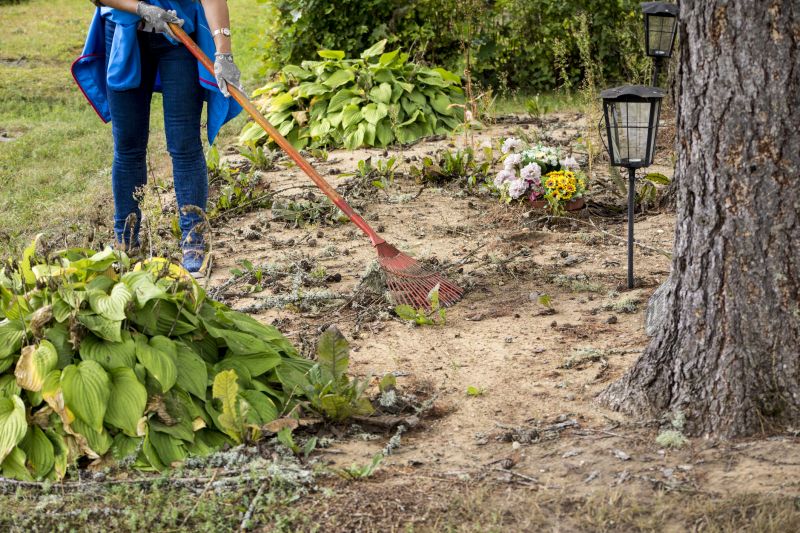
What is undergrowth removal? Undergrowth removal involves clearing bushes, shrubs, and small plants to improve yard appearance and accessibility.
When should undergrowth removal be considered? It is useful when overgrown areas hinder maintenance, reduce curb appeal, or pose fire hazards.
What types of properties benefit from undergrowth removal? Residential yards, commercial landscapes, and vacant lots can all benefit from this service to maintain a tidy appearance.
What are common reasons for removing undergrowth? To prevent pests, improve safety, increase sunlight, or prepare for landscaping projects are typical reasons for undergrowth removal.
Request Undergrowth Removal in Atlanta, GA
Use the quote form on this page to share the basics of your project and request more information for the type of work you need.