Dead Tree Removal in Doylestown, PA
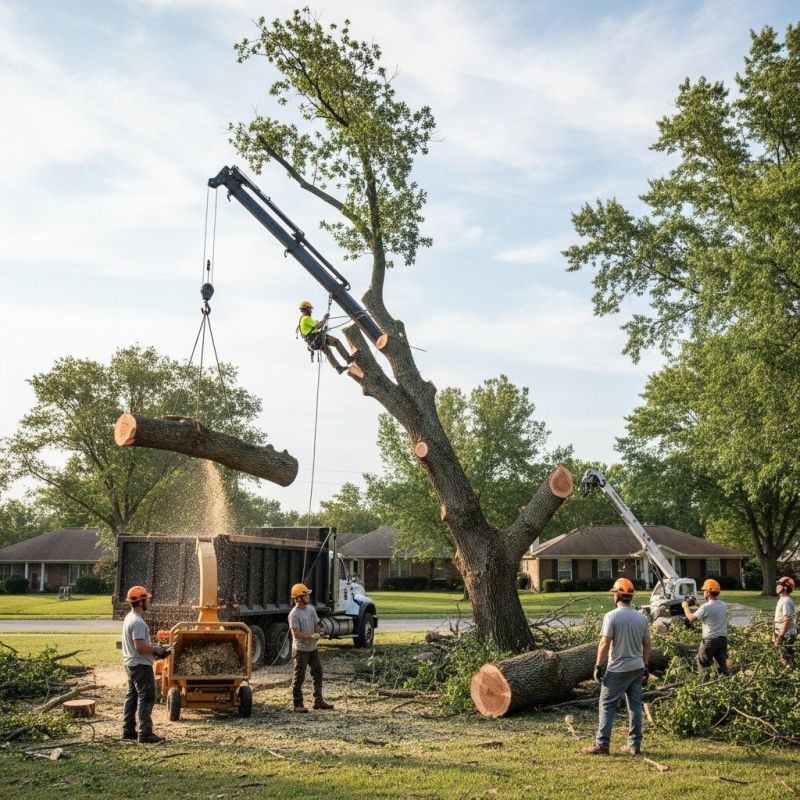
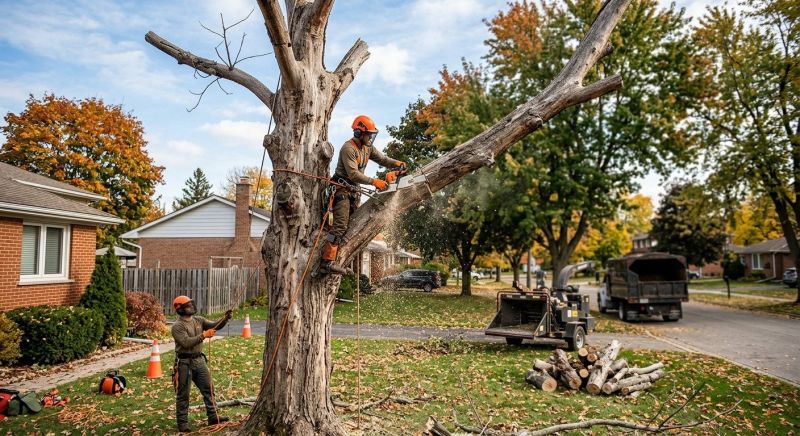
Dead tree removal services involve safely cutting down and removing trees that are dead, dying, or pose a risk to property and safety. This type of project typically includes removing trees that have become hazardous due to disease, decay, or storm damage, as well as clearing space for new landscaping or construction. Property owners should consider factors such as the size and location of the tree, potential impact on nearby structures, and the overall health of the tree when requesting this service to ensure proper planning and safety measures are in place.
Before requesting dead tree removal, homeowners often want to understand the scope of work involved, including whether the tree removal will include stump grinding or debris cleanup. It’s also important to assess any potential restrictions or permits required by local regulations, especially for trees near utility lines or within protected areas. Clear communication about the tree’s condition and the property’s landscape can help ensure the project is completed efficiently and safely.
Many property owners in Doylestown, PA look into Dead Tree Removal for repairs, replacements, upgrades, and appearance-related improvements.
Reasons To Remove Dead Trees
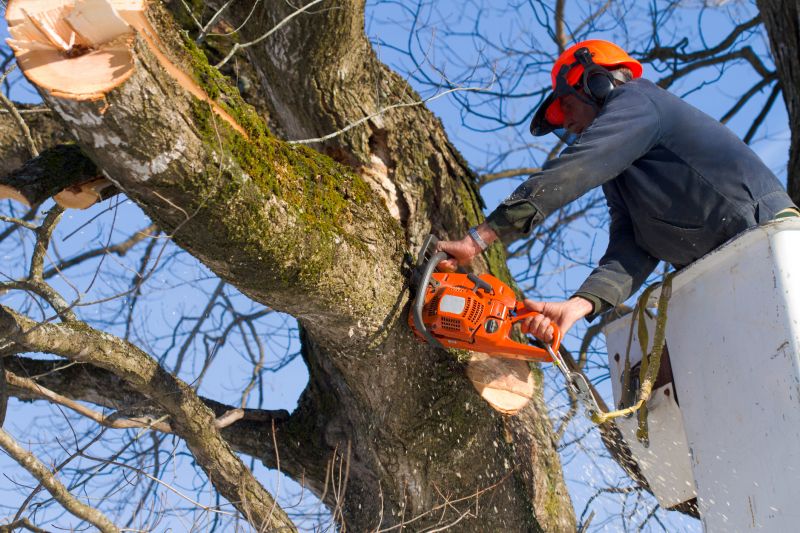
Removing dead trees helps prevent potential damage to property and ensures safety for residents.
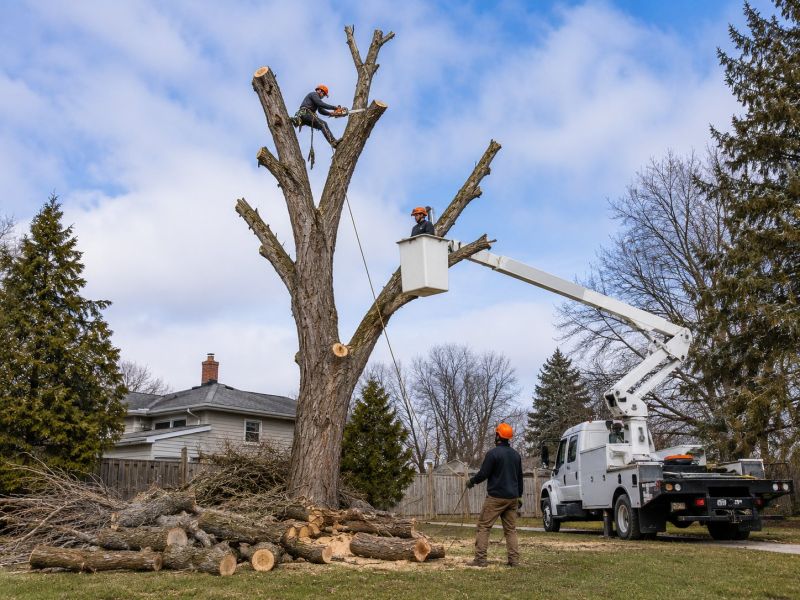
Signs Of A Dead Tree
Indicators include dead branches, fungal growth, and a lack of healthy foliage during the growing season.
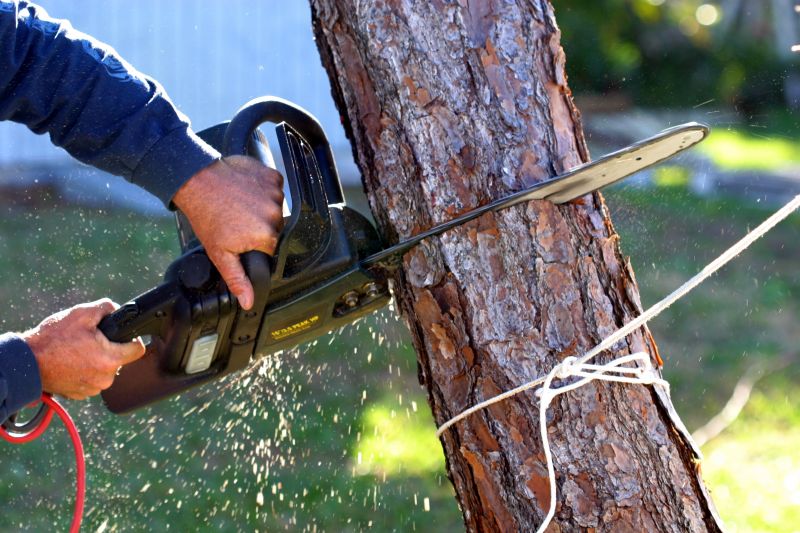
Benefits Of Professional Removal
Professional dead tree removal restores the landscape and reduces the risk of falling hazards in doylestown, pa.
Dead Tree Removal in Doylestown, PA
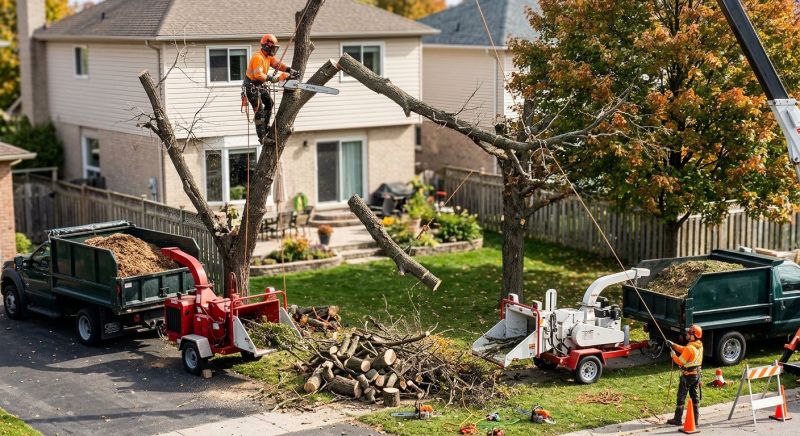
Dead tree removal services involve safely cutting down and removing trees that are dead, dying, or pose a risk to property and safety. This type of project typically includes removing trees that have become hazardous due to disease, decay, or storm damage, as well as clearing space for new landscaping or construction. Property owners should consider factors such as the size and location of the tree, potential impact on nearby structures, and the overall health of the tree when requesting this service to ensure proper planning and safety measures are in place.
Before requesting dead tree removal, homeowners often want to understand the scope of work involved, including whether the tree removal will include stump grinding or debris cleanup. It’s also important to assess any potential restrictions or permits required by local regulations, especially for trees near utility lines or within protected areas. Clear communication about the tree’s condition and the property’s landscape can help ensure the project is completed efficiently and safely.
Many property owners in Doylestown, PA look into Dead Tree Removal for repairs, replacements, upgrades, and appearance-related improvements.
Common Dead Tree Removal Jobs
Dead Tree Removal - safely removes hazardous or dead trees to protect property and safety.
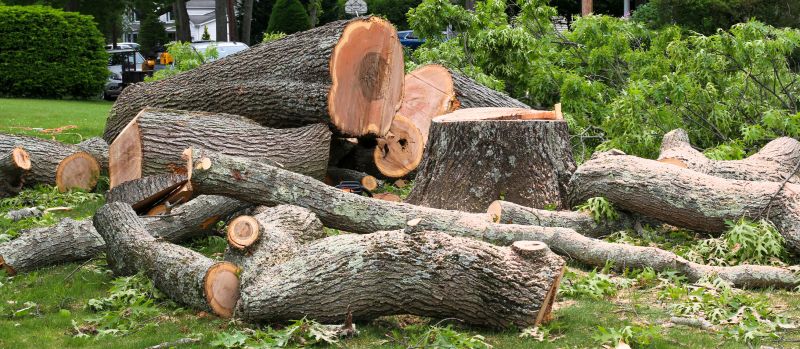
Stump Grinding - eliminates remaining stumps for a clean, level yard.
Emergency Tree Removal - addresses storm-damaged or fallen trees promptly.
Selective Tree Removal - removes specific trees to improve landscape health and aesthetics.
Tree Clearing - clears land for construction, landscaping, or new plantings.
Hazard Tree Assessment - evaluates trees for potential risks and necessary removal actions.
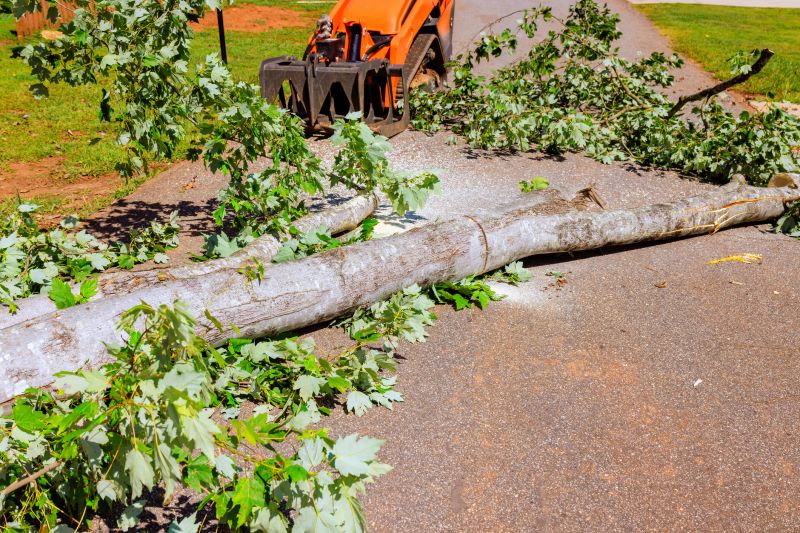
Dead Tree Removal Questions
Why should dead trees be removed? Dead trees can pose safety hazards and may attract pests or diseases that affect nearby healthy trees.
Is dead tree removal necessary for property safety? Yes, removing dead trees reduces the risk of falling branches or trees that could damage property or cause injury.
What types of dead trees are commonly removed? Both individual dead trees and those that threaten structures or power lines are frequently removed.
How does dead tree removal benefit property aesthetics? Removing dead trees improves the overall appearance and health of the landscape.
Request Dead Tree Removal in Doylestown, PA
Use the quote form on this page to share the basics of your project and request more information for the type of work you need.